
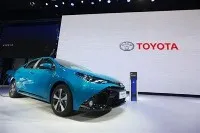


New energy vehicles refer to the use of unconventional vehicle fuels as the power source (or the use of conventional vehicle fuels, the use of new vehicle power units), and the integration of advanced technologies in vehicle power control and drive. New technology, new structure of the car.
New energy vehicles include pure electric vehicles, extended-range electric vehicles, hybrid electric vehicles, fuel cell electric vehicles, and hydrogen engine vehicles.
In November 2020, the General Office of the State Council issued the "New Energy Vehicle Industry Development Plan (2021-2035)", requiring in-depth implementation of the national strategy for the development of new energy vehicles, promoting the high-quality and sustainable development of China's new energy vehicle industry, and accelerating the construction of an automobile powerhouse .
As of the end of May 2021, according to the China Association of Automobile Manufacturers, the number of new energy vehicles in my country is about 5.8 million, accounting for about 50% of the global total of new energy vehicles.
In 2021, the annual output of new energy vehicles will be 3.677 million, an increase of 152.5% over the previous year, ending three consecutive years of negative growth. It is estimated that in 2022, China's auto sales are expected to reach 27.5 million units, a year-on-year increase of 5.4%, passenger cars will increase by 8%, and new energy vehicle sales will soar to 5 million units. In the first half of 2022, China's new energy vehicle sales increased by 1.2 times.